

Sandblasting dan Painting JIB Crane Structures
JIB Crane Sandblasting & Painting: Essential Guide


What is Sandblasting?
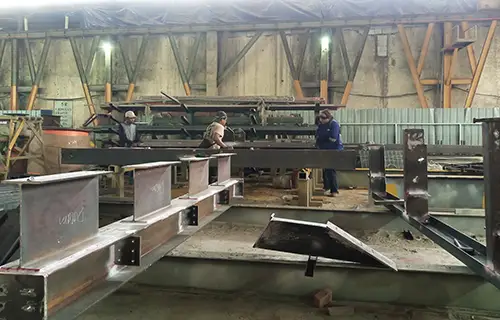
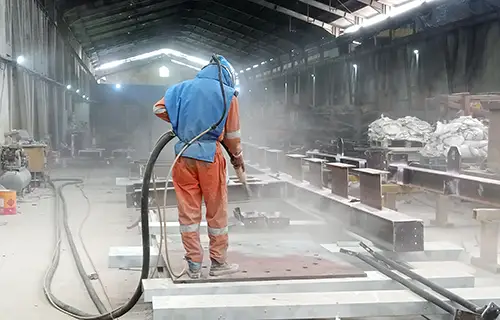
Sandblasting is the process of cleaning metal surfaces using high-pressure abrasive materials, such as silica sand or steel grit. The goal is to remove rust, old paint, and other contaminants adhering to the surface.
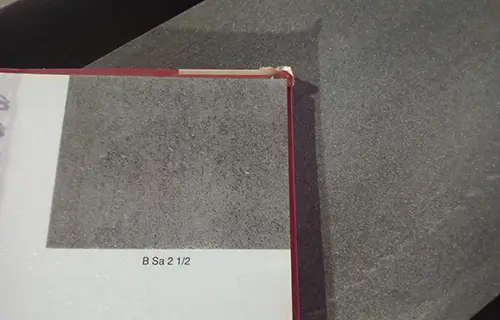
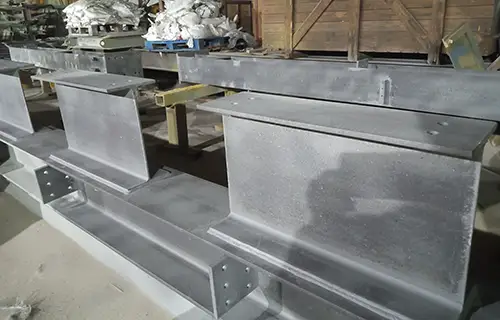
This process significantly helps create an ideal surface profile for optimal paint and protective coating adhesion. Without proper JIB crane sandblasting, new protective coatings will not bond correctly to the steel.
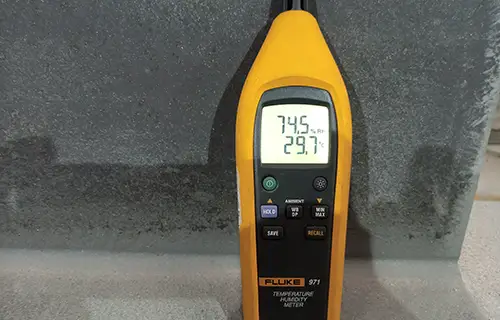
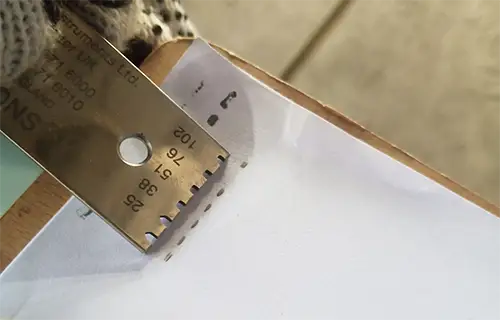
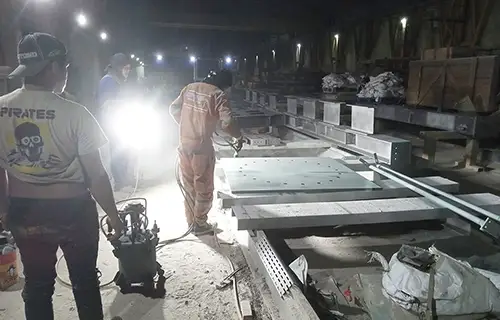
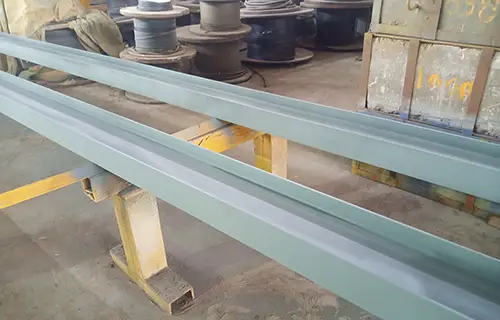
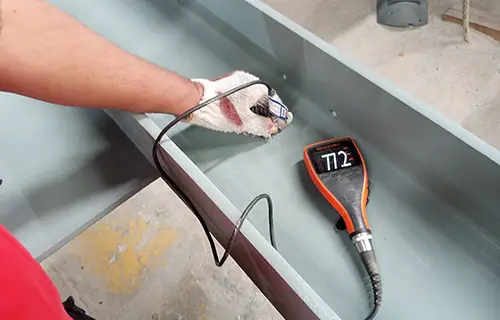

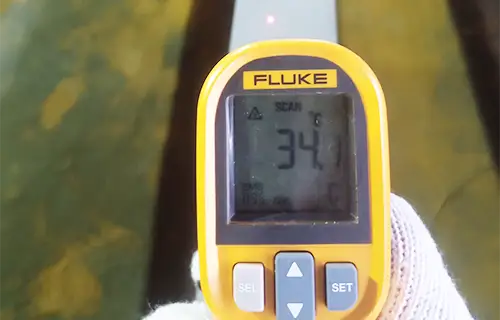

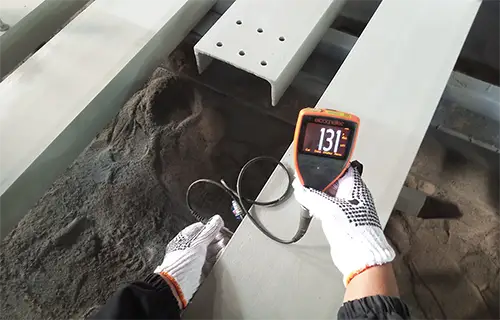
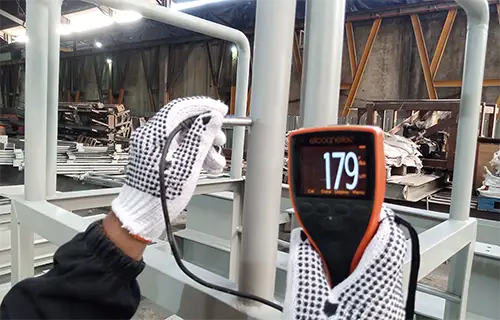
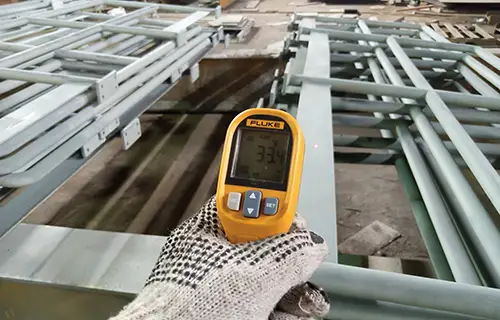
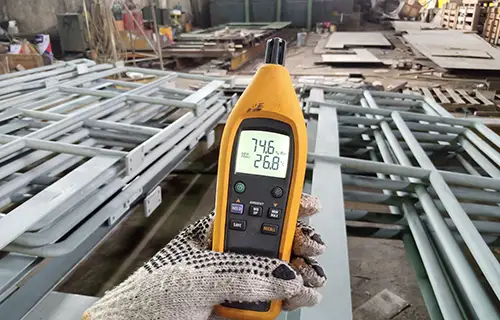
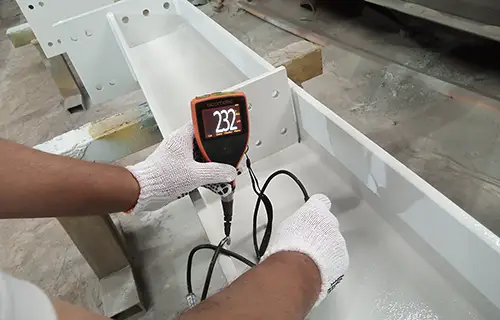
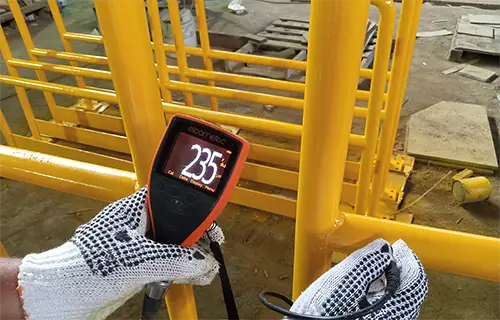

Protection Steps for Industrial Steel Structures
The following are the general steps that must be followed in JIB crane sandblasting and painting for crane structure maintenance:
- Work Area Preparation
Protect the surrounding area from dust and paint overspray. - Initial Structure Inspection
Assess the extent of damage or corrosion before the process begins. - Sandblasting Process
Using a professional sandblasting machine to completely clean the steel surface. - Primer Coating Application
This stage protects the steel surface from oxidation before the main paint application. Its function is to prepare the surface, improve paint adhesion, and provide additional surface protection. The reliable primers used for this are Jotun Resist 86 and Jotun Zinc 100. - Intermediate Application
This layer connects the base coat (primer) with the outermost coat (top coat or finish coat). It also provides critical additional protection against corrosion and water. The ideal paint used for this step is Jotun Penguard Midcoat - Final Coat
The final coat in the JIB crane painting process serves to protect the structure from various harsh environmental conditions. It also provides a more attractive long-term appearance. This top coat is applied after the intermediate coat, using premium Jotun Hardtop XP.
Benefits of Sandblasting and Painting on JIB Crane Structures
- Maximum Protection from Corrosion: Prevents rust and extends the lifespan of the crane structure.
- Improving Operational Safety: A clean and well-maintained structure reduces the risk of fatal structural damage.
- Professional Appearance: Provides a neat and professional visual impression to industrial facilities.
- Maintenance Efficiency: Reduces the frequency and budget of repairs due to corrosion or paint damage.
When is the Right Time for Crane Structure Maintenance?
Ideally, JIB crane sandblasting and painting should be performed regularly, at least every 3–5 years. However, this frequency depends highly on the intensity of use and your specific working conditions. If signs of corrosion, peeling paint, or discoloration are found on the structure, you must immediately inspect and maintain it.
Conclusion:
Regular JIB crane sandblasting and professional JIB crane painting are not just about cosmetic improvement. It is a vital investment in long-term operational safety and facility efficiency. Always trust this technical process to a professional service provider who strictly understands industry standards and uses high-quality coating materials.